
Plan an Ithaca stay around the days you want
A practical way to connect your hotel base with downtown evenings, campus visits, arrival arrangements and time beyond the city.
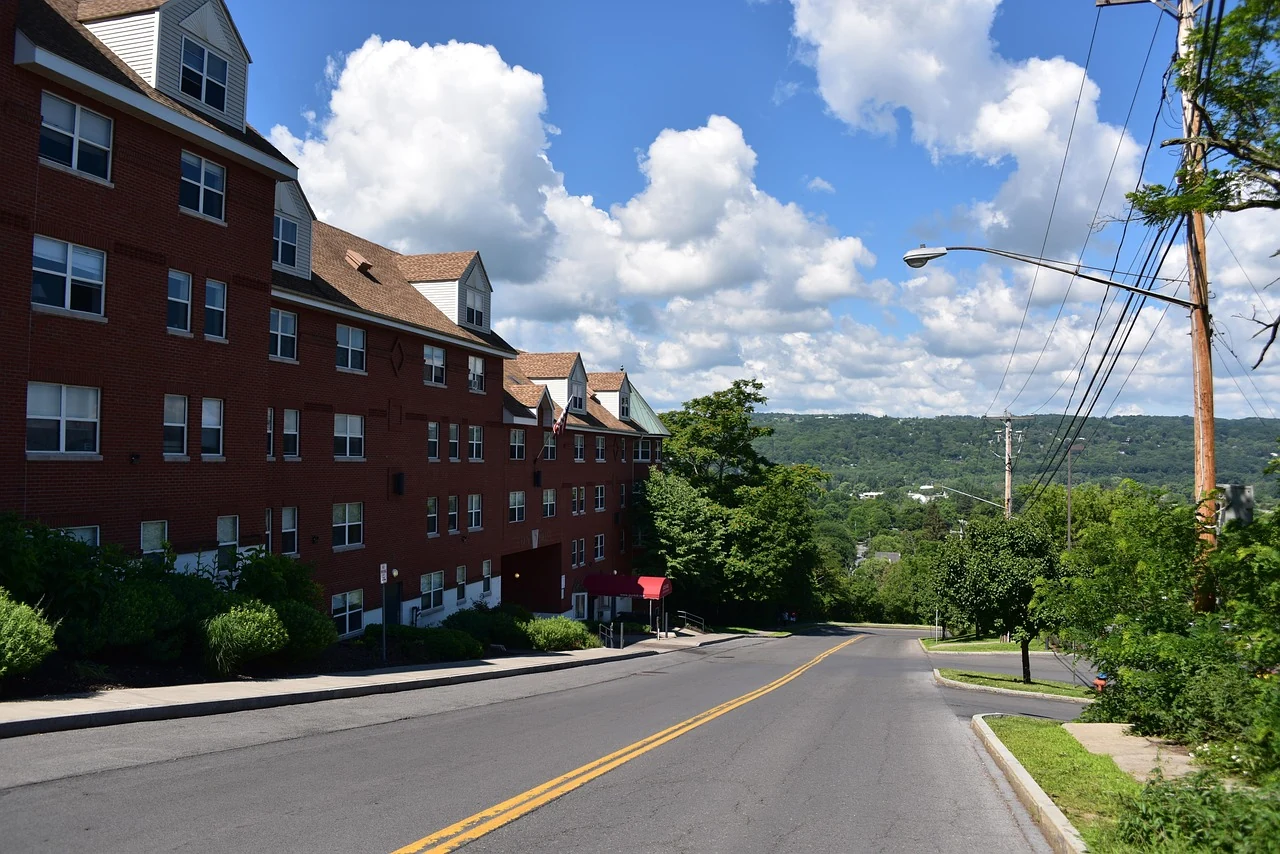
A useful hotel choice begins before you compare rooms. Start with the days you expect to have in Ithaca: a campus appointment, an evening downtown, a late arrival, a waterfall outing or simply time to wander without a packed itinerary. Each creates a different relationship between your accommodation and the places you will actually use. A property can look appealing in isolation and still make an awkward base for your particular visit. The aim is to find a stay that supports the whole trip, including the unremarkable journeys at the beginning and end of each day.
Ithaca offers several distinct starting points rather than a single answer to where everyone should stay. Visit Ithaca’s accommodation directory groups options by areas including downtown, the Cornell area and the Ithaca College area. Use those categories to orient a search, then work with individual addresses. A broad area label cannot tell you which entrance you need, how a street changes elevation or what your return journey will involve. This guide offers a method for making those comparisons without treating any hotel, neighbourhood or style of trip as the universal best choice.
Give the trip one clear anchor
Write down the one commitment that would be most inconvenient to reach late. It might be an information session, a family gathering, a performance or the departure that ends your stay. Record its actual meeting point and the day it happens. “Cornell” is not a meeting point, just as “downtown” is not a precise arrival address. If the event provides its own visitor instructions, keep those with the booking confirmation rather than relying on a generic map pin. This first anchor gives you a concrete journey against which to assess each possible hotel.
Next, separate fixed plans from ideas you would enjoy if time allows. A list that gives equal weight to a reserved campus session and a possible extra waterfall stop can make every location seem inconvenient. Fixed plans deserve dependable arrangements; optional plans can move around the base you choose. If different people in your group have different anchors, say so early. Someone attending meetings all day and someone exploring independently may value different things from the same address. A useful choice should acknowledge both routines rather than hide the disagreement behind a room photograph.
Compare the journeys, not just the pins
For each shortlisted property, trace three journeys: arrival to the hotel, hotel to the main commitment, and the return after your last planned activity. Look at the travel mode you will really use. A driving estimate tells you little about a walk with luggage, and a nearby bus stop does not establish that a suitable service runs when you need it. Check the exact day and direction. If the return depends on a transfer or a pickup, include that step in your notes so the journey remains understandable when you are tired.
Use a map at street level as well as at city scale. Ithaca’s hillside setting makes a line drawn between two points an incomplete description of the journey. Look for the intended route, the entrance on each end and any part about which you need more information. You do not have to predict every inconvenience. You do need to avoid assuming that a small distance means an effortless trip for everybody. If steps, gradients, luggage handling or a particular mobility requirement affect your plans, ask the relevant property or venue specific questions about the actual approach.
| Your main priority | What to compare | What to confirm directly |
|---|---|---|
| A downtown-focused stay | The route to your chosen evening destinations, not only distance to The Commons. | The hotel entrance, luggage drop-off and any parking arrangements. |
| A campus commitment | The exact university, building and visitor meeting point. | Current event instructions and visitor parking or transport details. |
| Arrival without a car | Terminal or stop to hotel, followed by the first full day’s journeys. | Service at your arrival time and a workable return arrangement. |
| A gorge or lake outing | The specific park entrance and the rest of that day’s plan. | Official access information and the way back to your accommodation. |
| Several people sharing | Room layout and everyone’s different daily commitments. | The exact room category and any necessary access features. |
Choose what downtown means for you
A downtown base may be worth exploring when you expect to return to the same restaurants, venues or shops across several days. The Downtown Ithaca Alliance describes The Commons as a pedestrian district. That is a useful point of orientation, but it does not make every hotel labelled “Ithaca” part of the same short walk. Pick a few actual places you want to visit and compare their relationship with the hotel entrance. The result is more useful than a broad promise about being close to everything.
Think about how you want the evening to end. One person may want to return directly after dinner; another may prefer a longer unplanned wander. If you will be carrying shopping, travelling with children or meeting someone after an event, those details should influence the route you choose. Where a property offers parking, establish how arrival and re-entry work for your booking instead of assuming a space is automatically included. Downtown convenience is most meaningful when you can explain the everyday sequence: arrive, leave your things, go out and return.
Keep campus visits tied to the actual campus
Cornell University and Ithaca College each publish their own visitor information. Use the resource for the institution you are visiting and keep any event-specific instructions beside it. Cornell’s short-term parking page is a starting point for current campus parking information; Ithaca College’s visit page connects visitors with visit planning and campus maps. Neither is a substitute for the meeting point supplied with your appointment. When comparing accommodation, work backwards from that point, including the last part of the journey after you leave a vehicle or transit stop.
If the visit includes more than one campus or several separate buildings, sketch those movements before choosing a base. You may prefer to stay near the first fixed commitment, or you may value a more flexible evening location once the formal part of the day is over. There is no need to force every activity into one walking area. Instead, decide which journeys deserve a planned transport arrangement and which can remain flexible. That distinction also helps when people in your group split up and need a clear place and time to meet again.
Make arrival a complete plan
An arrival plan should finish at the hotel entrance, not at the airport or regional bus stop. Write down the final leg and how you will arrange it. If you are flying into Ithaca, the airport’s travel questions page is an official source for ground-transport information and specifically encourages planning ahead for late arrivals. Avoid treating the existence of a transport option as confirmation that it will serve your flight. Check your own arrival time, luggage needs and any arrangement the provider or hotel requires.
Then connect transport with the property’s arrival process. Ask what happens if you arrive before the room is ready, after the usual check-in period or later than originally expected. Keep the answer from the actual property with your booking, particularly if it gives a specific contact method. These are questions to resolve rather than services to assume. A luggage-storage arrangement, an early room or a late reception desk can make a material difference, but only when it applies to your stay. Our Ithaca arrival notes develop this part of the plan in more detail.
Read the room category as carefully as the location
Once an address looks useful, compare the exact room category on offer. General property photographs can show several different layouts, and a headline room name may not answer the practical questions in your group. Note the sleeping arrangement, the number of people covered, the bathroom arrangement and any feature that is essential to your stay. If a photograph appears to show a desk, a seating area or a particular view, check whether it belongs to the category you are considering. Ask a narrow question rather than assuming every room has the same characteristics.
A simple division between needs and preferences helps keep the comparison manageable. A requirement is something that would stop the room working for you; a preference is something you would enjoy but could trade against location or another feature. Do this separately for each person before merging the list. It often reveals why one option seems attractive to one traveller and unsuitable to another. Do not let a long collection of minor amenities obscure a single important question about sleeping, access, noise sensitivity or the room’s practical layout.
- Keep a short list of requirements:
- The actual sleeping arrangement and occupancy needed.
- Any particular access feature that the property must confirm.
- A workable arrival process for the journey you have booked.
- Keep preferences in a second list:
- A view, a particular style of room or space to sit.
- A preferred relationship with dining or evening plans.
- An amenity you would use during this specific stay.
Compare the complete stay on consistent terms
Keep your comparison consistent: the same dates, number of guests, room category and conditions. If one option includes something you would otherwise arrange separately, note that plainly rather than making a quick judgement from a headline figure. Read the current booking terms at the source you intend to use, including how changes or cancellation are handled. This is a way of organising information, not a prediction of what any hotel will offer. Keep copies of the details that matter to your decision so you can find them again without repeating the entire search.
Do not build the whole trip around an assumption that you can change it later. If a campus commitment, transport booking and hotel stay have different conditions, place those alongside one another before confirming the combination. You are looking for practical mismatches, such as an arrival plan that depends on a time you have not confirmed. When a point remains unclear, ask the responsible provider directly and keep the answer. An unresolved detail should stay visibly unresolved in your private notes; it should not silently become a promise simply because the rest of the plan looks appealing.
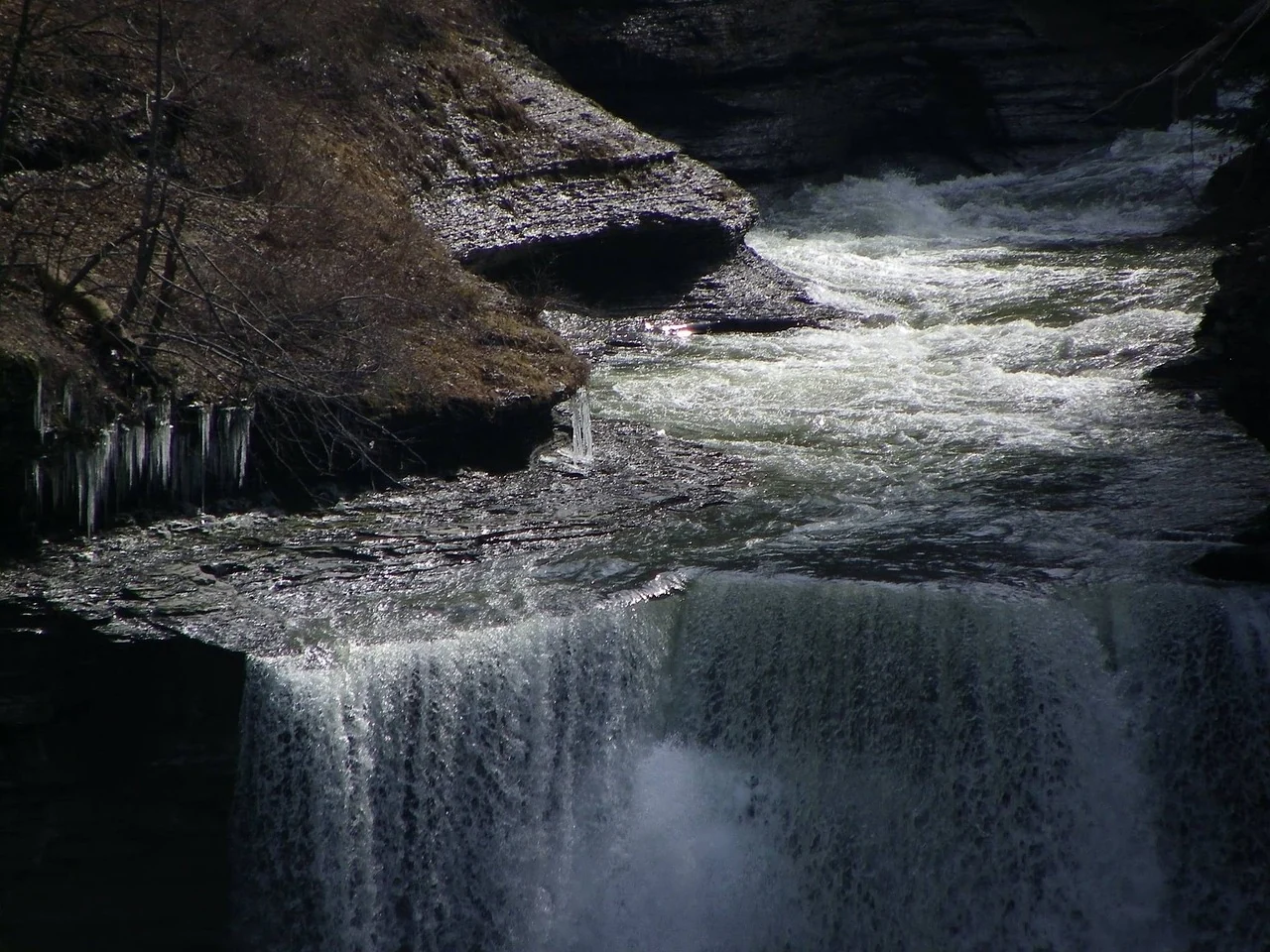
Give the landscape a day of its own
A stay in Ithaca can combine town time with a separate park visit, but choose the outing deliberately. Taughannock Falls State Park and Buttermilk Falls State Park each have their own official information, maps and current notices. Start with the particular park and entrance you intend to use rather than the idea of “seeing the waterfalls” in general. A photograph does not establish which approach suits your party, what is open or how much of a day you want to spend there.
Leave room for the non-scenic parts of the outing: getting ready, reaching the correct entrance, deciding what to carry, eating and returning to the hotel. You do not need an ambitious route to make the day worthwhile. A well-matched short visit can fit a trip better than a string of stops chosen because they look close together on a regional map. For a first visit, keep one main outdoor destination and one alternative that still appeals if conditions or energy change. Our waterfall-day planning guide explains how to make that choice using official park information.
Plan the less photogenic parts of the stay
Consider when you will actually be in the room. A short campus visit may leave little time for amenities, while a slower trip may include mornings reading, a rest between outings or an evening indoors. The useful room is the one that suits those moments. Check whether you need somewhere to work, manage luggage or have a quiet conversation. Keep expectations realistic and specific: instead of asking whether a property is “good for a relaxing stay,” ask about the particular feature or arrangement that would help you settle in.
The final morning deserves the same attention as arrival. Note when you need to leave the accommodation, how you will get to the next departure point and what you will do with luggage if there is a gap between the two. Confirm arrangements directly rather than relying on a recollection of what a different hotel offered. If several people leave at different times, decide who retains which documents and how you will communicate. These small decisions reduce the chance that a pleasant stay ends with a scramble over the very last journey.
Keep a compact stay note
Once you have chosen, collect the essential details in one short note: property name and street address, exact room category, arrival instructions, main appointment, transport arrangements and the source of any important confirmation. Add a link to the current official park or campus information you may need. The note should be short enough to read on a phone while travelling. You can keep a much longer research list elsewhere, but there is little benefit in making the information you need on arrival compete with every option you considered and rejected.
Finally, leave some of Ithaca unplanned. A good base should make the ordinary parts of the visit easier, giving you more freedom to choose what follows. You may decide to spend another hour downtown, return to the room between commitments or save a park visit for a different day. The preparation has done its job when it supports those choices without demanding that you follow a rigid itinerary. Start with your anchor, check the journeys, confirm the room and arrive with a clear first step. The rest of the stay can find its own rhythm.
Sources and useful reading
- Visit Ithaca: hotels and motels
- Downtown Ithaca Alliance: The Commons
- Cornell University: short-term parking options
- Ithaca College: plan a campus visit
- Ithaca Tompkins International Airport: travel questions
- New York State Parks: Taughannock Falls State Park
- New York State Parks: Buttermilk Falls State Park